
doc_text_search
Source verification protocols
Participants learn to evaluate primary literature, preprints, and expert commentary using a structured checklist adapted from editorial practice at specialist publications.

Lenvomrak applies methods drawn from science communication research, editorial craft, and workshop pedagogy. Each element is tested in live sessions before it enters the curriculum — nothing here is theoretical by default.
Science journalism sits at an uncomfortable intersection: the precision demanded by research and the accessibility required by general audiences. Most training programs treat these as separate skills. At Lenvomrak, participants work with both simultaneously from the first session.
Assignments are drawn from actual editorial contexts — fact-checking scientific claims, translating methodology sections for non-specialist readers, and pitching story angles to editors who have no background in the subject matter. The difficulty scales across the workshop, not in a linear progression but in cycles of challenge and consolidation.
Feedback is specific and referenced. Participants receive written notes tied to exact sentences, not general impressions. This approach slows the feedback cycle deliberately — shallow praise does not build durable skill.
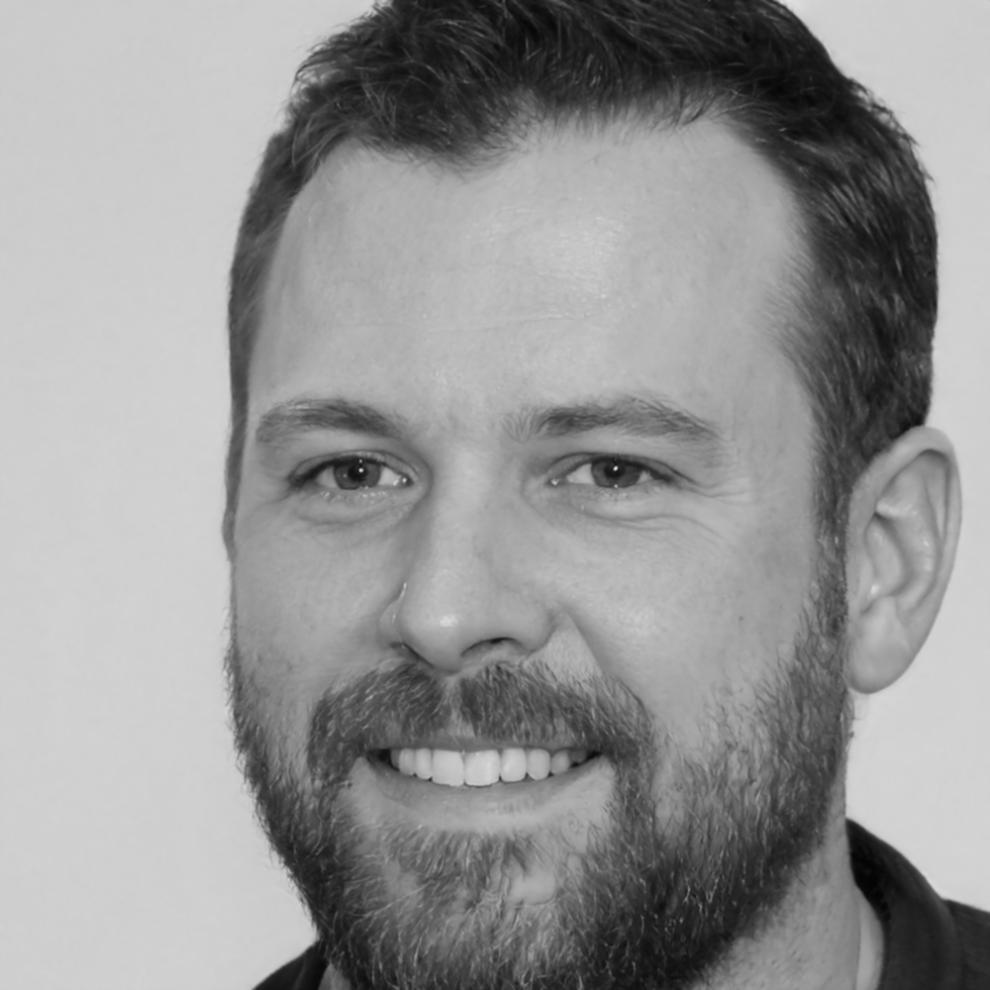
The hardest part of teaching science communication is resisting the urge to simplify too early. Participants need to sit with complexity before they learn to translate it.
Ostap Vynnychenko — Workshop Curriculum Lead
Participants learn to evaluate primary literature, preprints, and expert commentary using a structured checklist adapted from editorial practice at specialist publications.
Each draft passes through a structured peer review before instructor feedback. Writers learn to give precise critique — a skill that improves their own revision process independently.
Story proposals are presented in real-time to a panel that includes both a subject specialist and a generalist editor. Participants learn to handle conflicting feedback under time pressure.
Translating quantitative findings into prose without distortion requires specific techniques. Sessions cover framing, statistical literacy, and the editorial choices that shape how numbers read.
These figures reflect aggregated results from completed workshop cohorts. Individual results vary based on prior experience, engagement level, and the specific topic area covered.
Distinct session structures tested and refined across different audience types and subject disciplines.
Standard workshop duration with optional extension modules for participants pursuing advanced editorial skills.
Participants from across Europe, Asia, and the Americas bring distinct editorial traditions into each cohort.
Collected from 240 post-workshop evaluations, covering curriculum quality, feedback clarity, and session pacing.
| Skill area | Standard training | Lenvomrak method | Time to measurable change |
|---|---|---|---|
| Source evaluation | Lecture-based | Live case analysis | Session 2–3 |
| Headline writing | Template exercises | Editorial simulation | Session 4 |
| Statistical framing | Passive reading | Rewrite assignments | Session 3–5 |
| Interview technique | Role-play scripts | Recorded sessions | Session 5–6 |
| Peer critique | Optional feedback | Structured protocol | Session 1–2 |